
Your PMU Scabbing Phase Is Normal: How to Spot Healthy vs Problematic FlakingPMU 딱지, 정상적인 치유 과정이에요: 건강한 탈각과 문제성 탈각 구별법
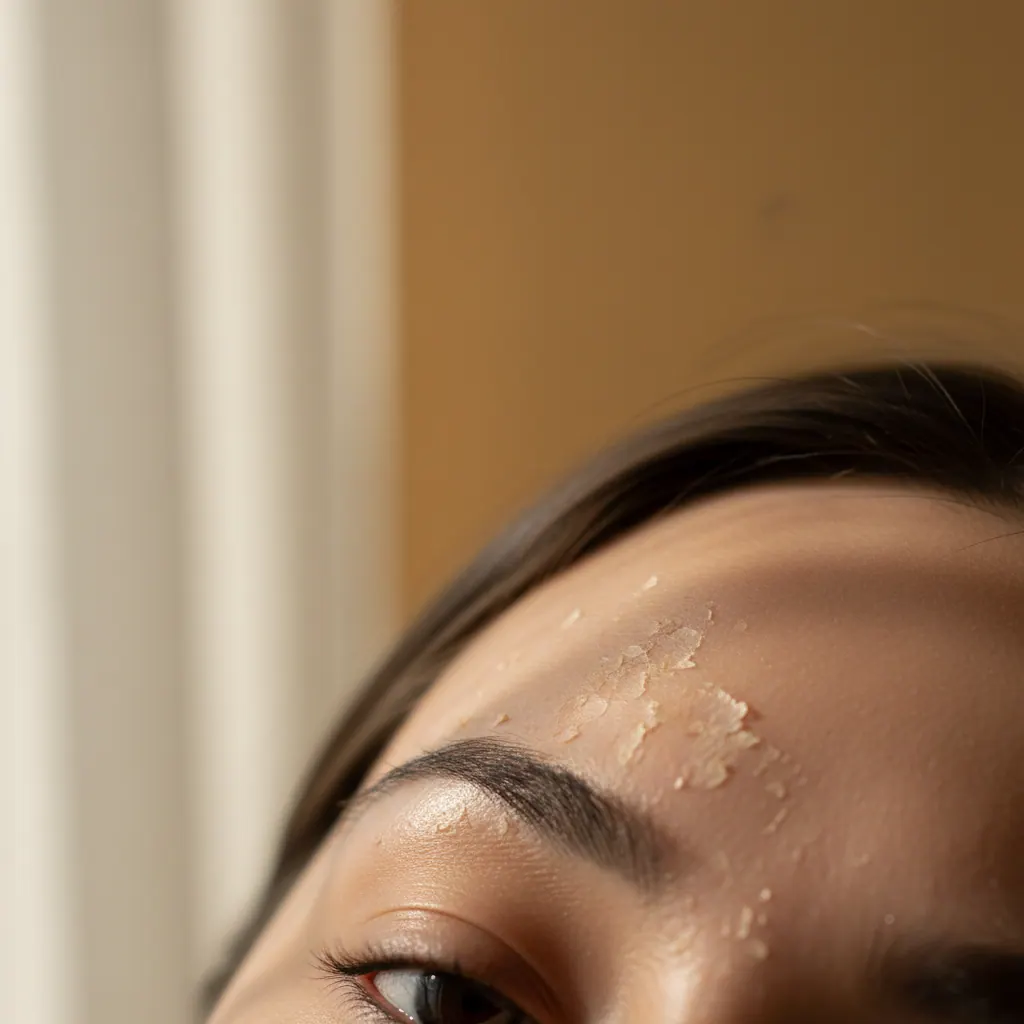
After you've invested in your perfect brows or lips with Permanent Makeup (PMU), the healing journey begins. One of the most common points of anxiety for clients is the scabbing and flaking phase. You might look in the mirror and worry that the pigment is disappearing, the color looks strange, or the process isn't going as planned. I'm here to tell you: scabbing is a completely normal, expected part of the healing process. Your body is doing its job. The key is knowing what healthy healing looks like versus signs that might need attention. At Aura Beauty, my Pharmesthetic Superjection approach is designed to support optimal healing from the start. This guide will walk you through the visual differences so you can relax and trust the process.
1. The Biology of Healing: Why Scabbing Happens
PMU is a cosmetic tattoo. It involves depositing pigment into the upper layers of the dermis using fine, sterile needles. This creates microscopic, controlled trauma. Your body's immediate response is to protect the area and begin repair, which involves forming a thin layer of protective tissue (a scab) over each tiny point of entry.
The Protective Role of Scabs
Think of scabs as nature's bandage. They seal the wound from bacteria and environmental contaminants while new skin forms underneath. This layer is composed of blood platelets, plasma, and lymphatic fluid that dries on the surface, trapping the pigment beneath it as your skin regenerates.
The Flaking Timeline
Typically, scabbing and flaking begin around days 3-5 post-procedure. The entire active flaking phase usually lasts between 3 to 7 days, but this can vary based on your skin type, the area treated (brows vs. lips heal differently), and how closely you follow your aftercare instructions. The important thing is that this phase is temporary.
2. A Visual Guide to Healthy, Normal Flaking
Healthy flaking is a sign that your skin is renewing itself correctly. Here's what to expect.
Appearance and Texture
Normal scabs are very thin, delicate, and flaky. They often look like small, dry flakes of skin or tiny specks of dandruff. The color will be a muted, grayish version of your pigment, often mixed with your natural skin tone. The area underneath, as it's revealed, will appear very light and possibly hazy. This is because the fresh skin is still forming over the pigment.
How It Comes Off
Healthy scabs detach naturally with minimal encouragement. They might come off when you gently cleanse the area as instructed, or simply fall away on their own. You should never see raw, weeping, or bleeding skin underneath when a healthy scab comes off. The new skin will look intact, just very fresh and pale.
REASSURANCE: The pigment is still there. It's common for the color to look 40-60% lighter after flaking. This is part of the healing cycle where the pigment settles. True color reveals itself over the next 4-6 weeks.
3. Recognizing Problematic Scabbing: Warning Signs
While rare with proper technique and aftercare, problematic healing can occur. Knowing these signs helps you act quickly.
Excessive Thickness and Color
Problematic scabs are often thick, hard, and raised. They may have a shiny, crusty appearance and can be a dark brown, yellow, or greenish color. This type of scabbing can be caused by excessive lymph fluid buildup, picking, or improper aftercare that doesn't allow the skin to breathe.
Signs of Infection
If the area is significantly more red, swollen, warm to the touch, or painful after the first 48 hours, it could indicate an infection. Pus (yellow or green fluid) is a definite red flag. An unusual, foul odor is another sign that requires immediate professional attention.
Loss of Pigment with the Scab
If a thick scab comes off and you see a complete absence of color in that specific spot (not just lightening), it may mean the pigment was pulled out with the scab. This is often the result of picking, scratching, or overly aggressive cleansing.
4. Your Essential Role: The Do's and Don'ts of Aftercare
Your aftercare is the single most important factor in ensuring healthy flaking and beautiful results. For detailed, personalized instructions, always refer to the handout provided after your session at our Duluth studio.
The Golden Rule: Do Not Pick
This cannot be stressed enough. Picking or scratching scabs will pull the pigment out of the skin, leading to patchy results and possible scarring. Let them flake off naturally.
Gentle Cleansing and Moisturizing
We provide specific, gentle cleansers and protective balms for a reason. Gently pat (don't rub) the area clean twice a day with a sterile wipe or cleanser, then apply a rice-grain amount of your aftercare balm to keep the area protected and supple. Over-moisturizing can suffocate the skin and lead to thick scabs.
Lifestyle Considerations
For the first 10-14 days, avoid sweating heavily (gym, saunas), submerging the area in water (pools, long baths), and direct sun exposure. These activities can introduce bacteria, cause excessive scabbing, or prematurely fade your pigment.
TIP FROM JUSTINA: If you're ever unsure about how your healing is progressing, send me a clear, well-lit photo. I'm always happy to provide guidance. It's better to ask than to worry.
5. After the Flakes: What Comes Next in Your Healing Journey
Once the flaking is complete, you've entered the "ghosting" or "milletia" phase. The color will seem very faint, and the strokes may look blurry. Don't panic. This is perfectly normal.
The Settling and Blooming Period
Over the next 4 to 6 weeks, the pigment will gradually settle and "bloom" back to the surface. The true color and definition of your PMU will become more apparent. The skin finishes its healing cycle deep below the surface.
The Importance of Your Touch-Up Session
This is precisely why we schedule a perfecting session 6-8 weeks after your initial procedure. This session allows me to assess how your unique skin has retained the pigment, reinforce any areas that healed lighter, adjust color or shape if desired, and ensure a long-lasting, flawless result. It's a standard and essential part of the PMU process. You can learn more about our bespoke process on our PMU Services page.
Trusting the process is easier when you know what to look for. Scabbing is a sign of healing, not a sign of something gone wrong. By following your aftercare and understanding these visual benchmarks, you're setting the stage for beautiful, long-lasting results. Remember, I am here to support you through every step. If you're in Duluth, Suwanee, Buford, Lawrenceville, Atlanta, or Johns Creek and have more questions about the PMU journey, explore our FAQ page or book a consultation to discuss your goals.
Frequently Asked Questions
Q: My scabs came off and there's no color underneath. Did my PMU disappear?
A: This is almost always the "ghosting phase," which is completely normal. The pigment is healing beneath a thin layer of new skin, making it appear very light or even invisible. The true color will gradually resurface over the next 4-6 weeks. Complete pigment loss in a spot is rare and usually only happens if a scab was picked off prematurely.
Q: Is it normal for my brows/lips to feel itchy during the scabbing phase?
A: Yes, mild itching is a common sign of healing as the skin tightens and regenerates. However, you must resist the urge to scratch or rub. Instead, gently tap the area with a clean finger or apply a tiny amount of your recommended aftercare balm to soothe the sensation.
Q: How long after my PMU procedure can I wear makeup on the treated area?
A: You should avoid applying any makeup (foundation, concealer, brow pencil, lipstick) directly on the treated area until it is fully healed, which is typically after 14 days. Makeup can introduce bacteria and cause infection or affect pigment retention. Once healed, you are free to use makeup as usual.
Q: What makes Pharmesthetic Superjection aftercare different from traditional PMU aftercare?
A: The Pharmesthetic Superjection method I use focuses on a more biological approach to healing. The technique itself creates less trauma, and the aftercare is designed to support the skin's natural lymphatic drainage and regeneration processes, which can lead to thinner, less noticeable scabbing, reduced swelling, and a more comfortable overall healing experience. You can read more about my certification and approach on our About page.